Sessions GM'd: 8
Sessions as Player: 2
Shadowdark
Posted 19 Jan 2025 to Fantasy
A great OSR game which is easy to pick up and play.

XP Card
I Used
Shadowdark core book (link). I also purchased a 3rd party booklet (link) with animal-kind ancestries (like cat people) because Thousand Thousand Islands has a lot of those. We played on Foundry, which supplied all content for free. We did not use any of the third party classes that have been published. I also played 2 sessions in an online campaign I found, as a canny dwarf.
Overview
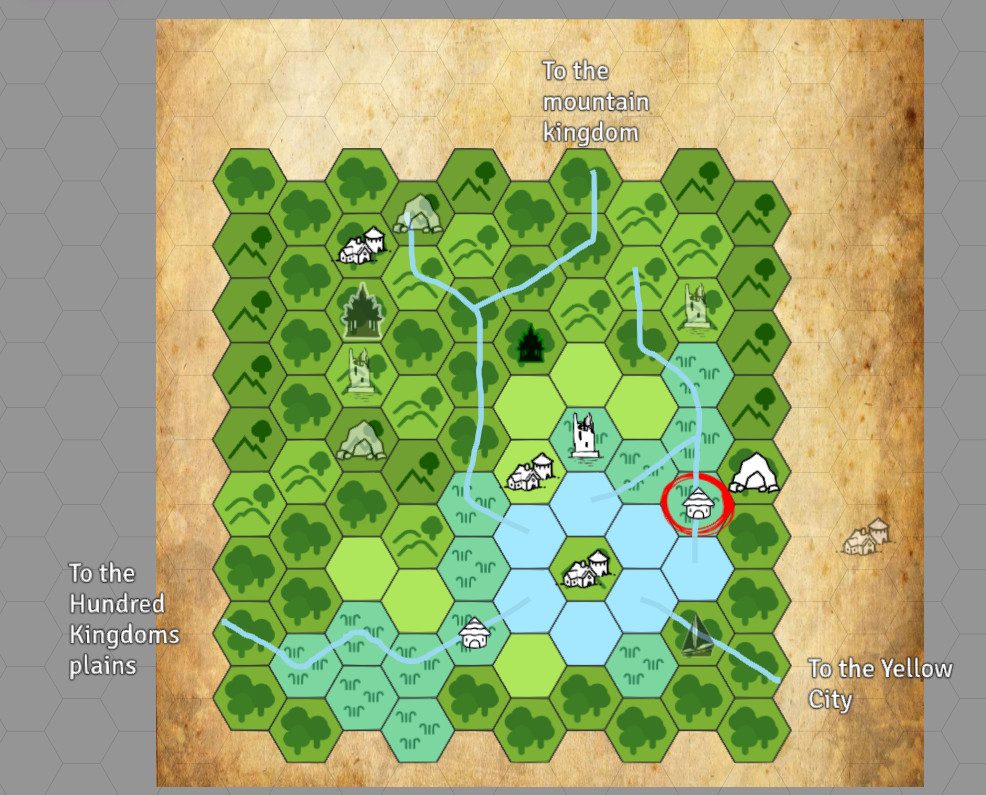
Our campaign was set in fantasy South East Asia, using the booklet adventures for Thousand Thousand Islands and the first part of Reach of the Roach God. Our PCs were a mage from a foreign land (who was wonderfully portrayed using body paint to cast spells), a priest of a scorpion cult, a warrior (skilled tracker and archer), and a canny thief without a sense of self-preservation. I presented a small hex map and dropped in hooks to some of the adventures. We knew this was going to be a short campaign, and tried to keep the pace fast. Our characters reached level 4 by the end of 8 sessions.
The Good
The Not-So-Good

Verdict
I think this is a great little system. I have tried a variety of OSR systems and this is certainly the most accessible. It was quick to play and quick to create characters. It lends itself to a light hearted fun campaign.
